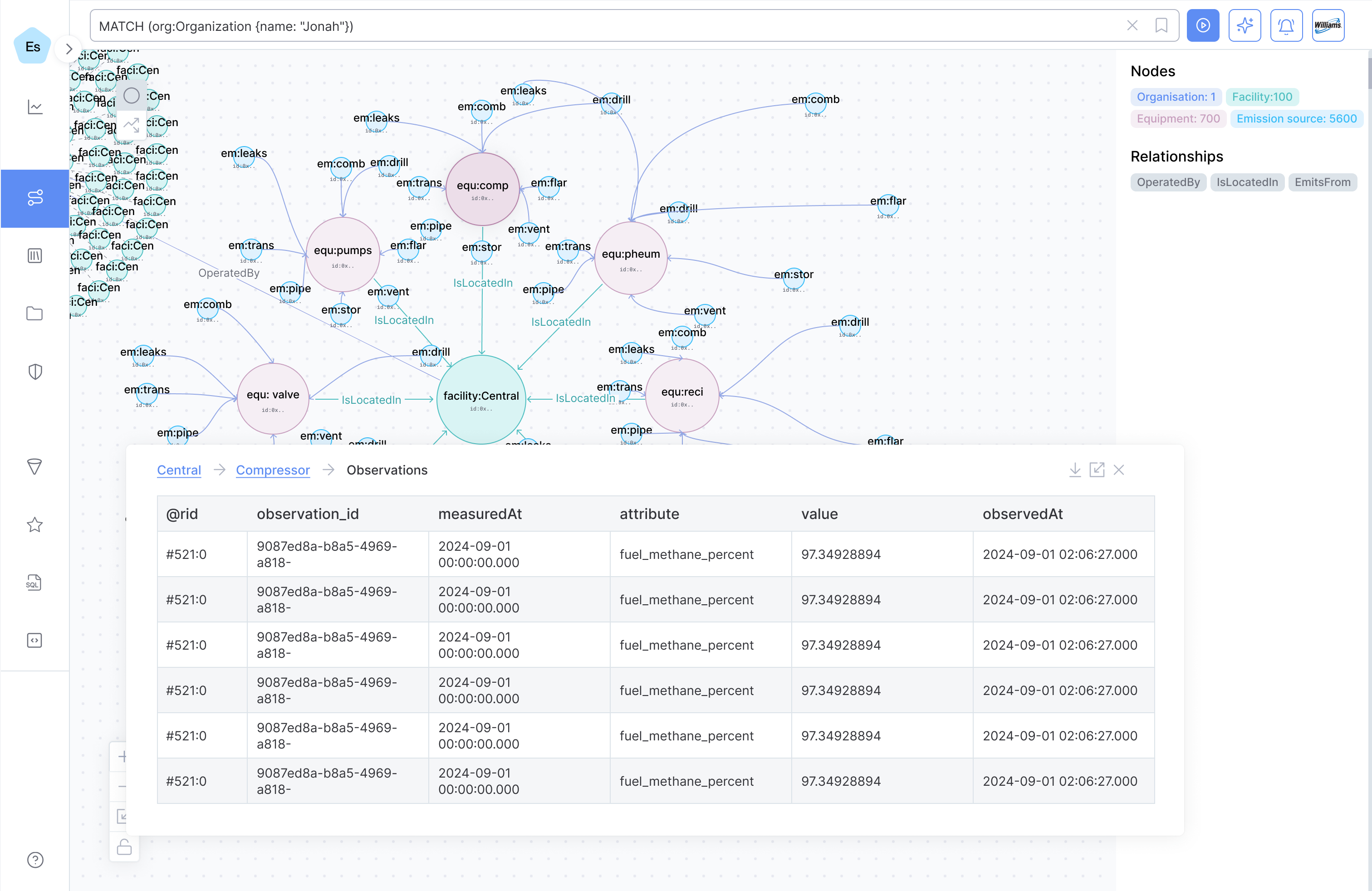
How I established design operations framework transforming a failing design program from 100% missed deadlines into 12+ months of flawless design delivery, influencing $494M in digital revenue through design leadership and design process excellence.
In April 2023, I inherited EdgeShare Immutably design program serving a platform supporting $494M in annual revenue—with zero design process, fragmented design ownership, and 100% missed design commitments. Design vision never evolved beyond initial wireframes, no validated design demos were delivered, and there was constant stakeholder disagreement about design direction. Design team credibility was severely damaged.
The root problem was not lack of design talent, but absence of design leadership and design operations. Design decisions were made reactively by engineering without design strategy, stakeholder alignment, or user validation. Design had no seat at the table. Decisions were opaque, design ownership was unclear, and when designs failed, no one was accountable.
April 2023: Understanding the dysfunction before proposing solutions.
Platform never progressed beyond initial MVP. No customer demos delivered. Development stalled without clear product vision or stakeholder-approved roadmap.
100% failure rate on delivery commitments. No release cadence. Engineering built features without timeline accountability or stakeholder validation.
Constant disagreement among stakeholders about architecture, scope, and direction. No alignment on what success looked like or what to build next.
Team built what they believed was feasible without stakeholder alignment or formal approval. Technical decisions made in vacuum without business context.
Decisions made without transparency or documentation. Stakeholders didn't know what was being built or why. No clear decision authority or approval process.
Unclear ownership across product, design, and engineering. When things failed, no one was accountable. Finger-pointing replaced problem-solving.
The engineering team was talented. But they were operating in a system that incentivized technical perfectionism over stakeholder alignment. Without clear product vision or approval processes, they built what seemed technically feasible, not what stakeholders needed. Trust eroded because decisions were made in isolation without transparency or validation.
The fix wasn't better engineering. It was product-led frameworks and stakeholder alignment.
February – June 2023: Building the operational foundation for sustainable delivery.
What I did: Used fast prototyping and stakeholder validation to create a shared product vision, eliminating "lost in translation" between engineering, product, and leadership.
Why it worked: Teams stopped guessing what stakeholders wanted. Prototypes gave everyone concrete examples to align around. Decisions became faster and more confident.
Outcome: Engineering rework dropped by 60% as requirements became clear upfront.
What I did: Implemented predictable monthly release windows. Anything not ready by code freeze moved to next month, no exceptions.
Why it worked: Teams could finally plan work realistically. Stakeholders knew when to expect features. "We'll ship it when it's ready" became "It'll be in the April release."
Outcome: Zero missed deadlines in first 6 months under new system.
What I did: Used Claude to build production-ready feature prototypes with maintainable code architecture. Partnered directly with QA to design custom testing frameworks that caught bugs in staging, not production.
Why it worked: High-quality prototypes gave stakeholders concrete artifacts to validate before engineering invested resources. Custom QA frameworks meant we caught edge cases early. Code maintainability prevented technical debt accumulation.
Outcome: Post-launch hotfixes dropped from weekly to rare exceptions. 60% reduction in engineering rework.
What I did: Clarified decision-making authority. Product owns "what and why," engineering owns "how," design owns "experience."
Why it worked: Eliminated decision paralysis and finger-pointing. Everyone knew their lane. Escalations became true exceptions, not daily occurrences.
Outcome: Escalations dropped to zero within 4 months.
July 2023 – December 2024: Sustained excellence and organizational transformation.
From 100% failure rate to perfect execution. Predictable monthly releases became the new normal. Teams delivered on commitments consistently.
Escalations dropped from weekly occurrences to zero. Clear ownership structures meant issues were resolved at the right level the first time.
Client went from bypassing PM to requesting PM involvement in strategic planning. Trust rebuilt through systematic delivery excellence.
Client cited "night and day difference" in delivery consistency. Operational excellence secured continued partnership and expanded scope.
Engineers proactively flagged risks early. Designers collaborated on solutions instead of receiving orders. QA became strategic partners in quality.
Digital platform supporting $494M in annual revenue across three brands. Stable, predictable releases enabled business growth and innovation.
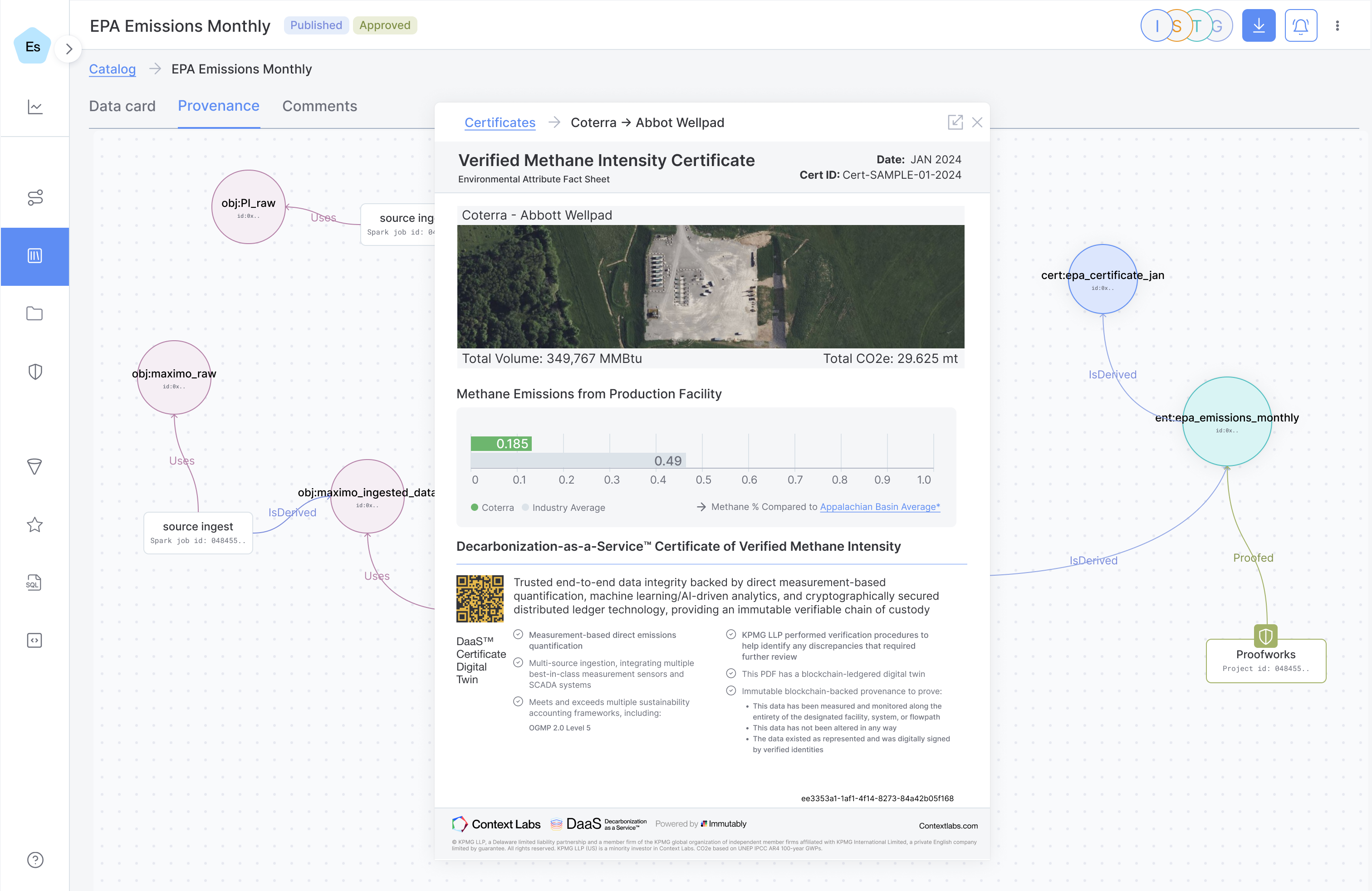
Immutably platform supporting industrial data intelligence and digital twin infrastructure
Product managers must articulate and share a clear vision. Without this clarity, teams build in different directions and stakeholders lose confidence in the path forward.
Clients don't need "fast," they need "on time." A monthly release that ships reliably beats a weekly sprint that constantly slips and erodes trust.
You can't rebuild trust through apologies. You rebuild it by creating systems that prevent the same failures from repeating and deliver consistently.
Clear decision authority means issues get resolved by the right person the first time, not after three rounds of escalation and finger-pointing.
I specialize in diagnosing broken systems and implementing operational frameworks that restore stakeholder trust and enable consistent delivery.